
 by
Introduction
Search engines help people find information, products, services, and businesses online. Whether someone searches for a computer training institute or a digital marketing agency, search engines connect users with relevant websites. This is where Search Engine Optimization (SEO) becomes important.
Learning SEO helps students understand how websites attract organic traffic, improve visibility, and reach the right audience. A structured SEO course introduces learners to essential techniques, practical tools, and strategies used in digital marketing. This guide covers SEO basics, on-page SEO, off-page SEO, technical SEO, local SEO, AI SEO, career opportunities, salary, and interview preparation.
1. What Is SEO? Understanding the Basics
Search Engine Optimization is the process of improving a website to increase its visibility in relevant search results. It involves understanding what people search for, creating useful content, improving website performance, and helping search engines discover and understand web pages.
For example, when someone searches for a computer course nearby, search engines consider relevance, website content, location, and other factors to provide useful results.
Students interested in digital marketing can explore an SEO Digital Marketing Course in Yamuna Vihar to learn keyword research, search intent, website optimization, and organic traffic strategies. SEO takes time, and rankings depend on competition, content quality, and technical factors.
2. What Is On-Page SEO?
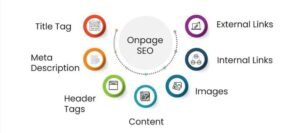
On-page SEO focuses on improving individual web pages so that users and search engines can understand their content.
Important elements include:
- Title tags: Describe the main topic of a page.
- Meta descriptions: Summarize the page and encourage relevant clicks.
- Headings: Organize information into clear sections.
- Keyword placement: Use relevant terms naturally in the content.
- Internal links: Connect related pages on the same website.
- Image optimization: Use suitable image sizes and descriptive alt text.
For example, a blog about SEO should answer the reader’s questions clearly rather than repeat the same keyword unnecessarily. Well-organized content improves readability and helps visitors find information easily.
3. What Is Off-Page SEO?
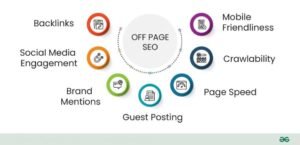
Off-page SEO includes activities outside a website that help build its reputation and online visibility. Common activities include earning relevant backlinks, digital PR, sharing useful resources, and developing relationships with relevant websites.
Backlinks are links from other websites to your pages. Relevant, trustworthy links can help search engines discover content and assess its credibility. However, buying spammy links or using manipulative link-building techniques can harm a website.
Beginners should focus on creating valuable content, promoting original resources, and earning links naturally. Consistency and quality are more useful than collecting large numbers of irrelevant backlinks.
4. What Is Technical SEO?
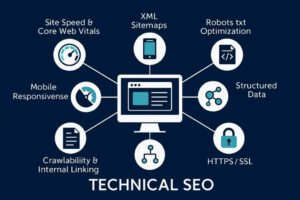
Technical SEO helps search engines crawl, access, and understand a website. It also supports a smooth experience for visitors.
Important areas include website speed, mobile usability, HTTPS security, XML sitemaps, robots.txt, redirects, canonical tags, and indexing issues. Tools such as Google Search Console and PageSpeed Insights help identify potential problems.
For example, if an important page cannot be indexed, it may not appear in search results as expected. Understanding technical SEO helps students diagnose website issues instead of focusing only on keywords and content.
5. What Is Local SEO?
Local SEO helps businesses appear in relevant searches connected to a particular location. It is useful for training institutes, restaurants, clinics, and other businesses serving local customers.
Local SEO includes maintaining an accurate Google Business Profile, choosing relevant categories, updating business information, responding to reviews, and creating useful location-specific pages.
Students researching an SEO Training Institute in Yamuna Vihar can learn how local search optimization helps businesses reach nearby audiences. Similarly, SEO Training in Yamuna Vihar can cover location-based keyword research, Google Business Profile optimization, local landing pages, and performance tracking.
Businesses should make each location page genuinely useful instead of creating multiple pages with nearly identical content.
6. What Is AI SEO?
Artificial intelligence is changing how digital marketers research keywords, analyze data, plan content, and identify optimization opportunities. AI tools can help generate ideas, organize keywords, create outlines, and summarize research.
However, AI-generated content needs human review. Marketers should check facts, add relevant examples, remove repetitive information, and make sure the content answers real user questions.
AI should support SEO work rather than replace strategic thinking. Original insights, accurate information, helpful content, and a positive user experience remain essential.
8. SEO Career Opportunities
SEO skills can lead to several digital marketing roles. Common options include SEO Executive, SEO Analyst, Technical SEO Specialist, SEO Content Writer, and SEO Manager. Responsibilities vary depending on the company and experience level.
An SEO Executive may work on keyword research and page optimization, while a Technical SEO Specialist focuses on crawling, indexing, website structure, and technical issues.
Students can also consider a Digital Marketing Course in Uttam Nagar to explore SEO alongside social media marketing, paid advertising, content marketing, and analytics. Combining these skills can help learners understand how different digital channels support business growth.
9. SEO Salary and Interview Preparation
SEO salaries depend on experience, technical knowledge, location, company size, and job responsibilities. Beginners can research current job listings to understand salary expectations for entry-level positions.
Building a portfolio is a practical way to demonstrate skills. Include keyword research sheets, optimized page examples, website audit reports, and performance analysis from real or practice projects.
Common SEO interview questions include:
- What is SEO, and how does it work?
- What is the difference between on-page and off-page SEO?
- What are crawling, indexing, and ranking?
- What is keyword search intent?
- How do you identify technical SEO issues?
- How do you measure website performance in Google Search Console?
- What is the purpose of a Google Business Profile?
Practising these questions helps students explain SEO concepts clearly during interviews.
learn more Interview Question
10. Download Your Free SEO Checklist
A checklist helps beginners follow a consistent optimization process. Before publishing a page, review its title tag, meta description, headings, keyword relevance, internal links, image alt text, mobile usability, and indexing status.
Use the checklist when optimizing a practice website or writing a new blog. Record your changes and monitor performance regularly instead of expecting immediate ranking improvements.
Ready to start learning SEO? Here your Free SEO Checklist and use it to practise essential optimization steps for your next website project.
Conclusion
SEO combines research, content creation, technical knowledge, and performance analysis. Learning on-page, off-page, technical, local, and AI-assisted SEO can help students build a strong foundation for a digital marketing career.
Choose a learning path that includes practical assignments, develop a portfolio, and keep updating your skills as search technology evolves. Consistent practice and a focus on helping users are important steps toward becoming a capable SEO professional.visit us


