 by
Introduction
Cloud computing has become an important part of how businesses store data, run applications, manage websites, and deliver online services. From saving files online to using business software, many everyday digital activities depend on cloud technology.
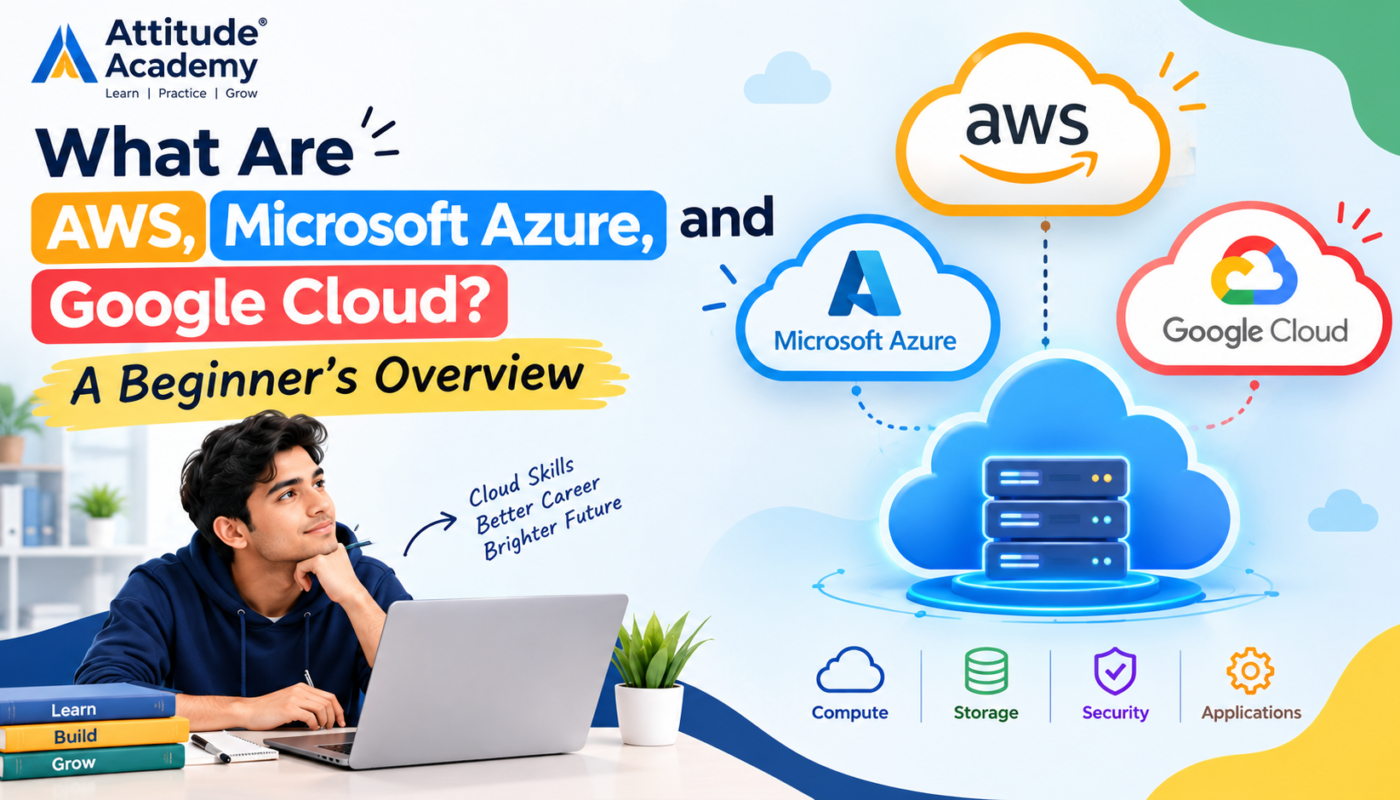
For students who want to build a career in IT, understanding cloud computing is a useful starting point. Three major platforms dominate this field: Amazon Web Services (AWS), Microsoft Azure, and Google Cloud. Although they offer similar services, each platform has its own strengths, tools, and learning opportunities.
What Is Cloud Computing?
Cloud computing is the delivery of computing services over the internet. Instead of buying and maintaining physical servers, storage devices, and networking equipment, users can access these resources from cloud service providers.
For example, a company launching a new website can rent computing resources from a cloud platform instead of purchasing its own server. A cloud computing course for beginners can help students understand these fundamentals, including storage, networking, virtual machines, and cloud security.
Cloud computing offers several benefits, such as flexible costs, scalability, remote access, data backup, and faster deployment. These advantages make it useful for businesses of different sizes.
What Is Amazon Web Services (AWS)?
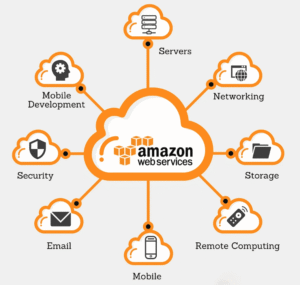
Amazon Web Services, commonly known as AWS, is a cloud computing platform provided by Amazon. It offers services for computing, storage, databases, networking, security, analytics, and artificial intelligence.
Some important AWS services include Amazon EC2 for virtual servers, Amazon S3 for object storage, Amazon RDS for managed relational databases, and AWS Lambda for running code without managing servers directly.
Students who want to explore this platform can start with an aws course for beginners that covers cloud fundamentals, virtual machines, storage, basic networking, and access management. Practical exercises can help learners understand how AWS services work together in real-world situations.
What Is Microsoft Azure?
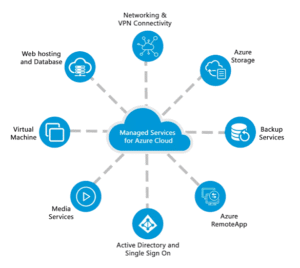
Microsoft Azure is a cloud computing platform developed by Microsoft. It provides services for hosting applications, managing databases, storing files, building virtual networks, and developing cloud-based solutions.
Azure is particularly useful for organisations that already work with Microsoft technologies, including Windows Server and Microsoft business software. Its services include Azure Virtual Machines, Azure Blob Storage, Azure SQL Database, and Azure Virtual Network.
Learning Azure can help students understand cloud administration, enterprise IT environments, and application deployment. Beginners should also learn about user permissions, secure configurations, and resource management.
What Is Google Cloud?
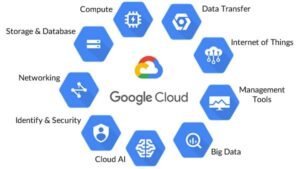
Google Cloud is the cloud computing platform offered by Google. It provides services for computing, storage, databases, networking, data analytics, machine learning, and application development.
Some key services include Compute Engine for virtual machines, Cloud Storage for digital files, BigQuery for data analysis, and Google Kubernetes Engine for managing containerised applications.
Students interested in analytics, application development, and cloud-based data solutions can explore these tools through guided practice. Creating small applications and experimenting with cloud storage can help build confidence before moving on to more advanced tasks.
AWS vs Microsoft Azure vs Google Cloud: What Is the Difference?
All three platforms provide cloud infrastructure and managed services, but their ecosystems and tools differ.
| Platform | Main areas to explore | Beginner learning focus |
| AWS | Cloud infrastructure, storage, and application hosting | EC2, S3, IAM, and basic networking |
| Microsoft Azure | Enterprise IT and Microsoft integrations | Virtual Machines, Blob Storage, and identity management |
| Google Cloud | Data analytics, application deployment, and containers | Compute Engine, Cloud Storage, and BigQuery |
There is no single platform that is best for every learner. The right choice depends on career interests, the technologies a student wants to learn, and the requirements of potential employers. Beginners can focus on one platform first and expand their knowledge as they gain experience.
How Can Students Start Learning Cloud Computing?
Students can begin by learning basic computer networking, operating systems, databases, and internet concepts. These foundations make cloud services easier to understand.
Practical learning is equally important. Cloud computing projects for students can include hosting a personal portfolio website, creating a basic cloud backup system, deploying a simple web application, or setting up a virtual machine. These activities help learners connect theoretical concepts with practical applications.
Before creating cloud resources, students should review the provider’s pricing and free-tier conditions because some services may incur charges. Keeping project notes and screenshots can also help demonstrate practical skills in a portfolio.
Cloud Computing Career Opportunities
As organisations continue to adopt cloud-based infrastructure, they need professionals who can deploy, maintain, secure, and improve their systems. Cloud computing career opportunities include several entry-level and advanced roles, depending on a learner’s technical skills and experience.
Some possible career paths include cloud support associate, cloud administrator, cloud engineer, DevOps engineer, and cloud security specialist. Each role involves different responsibilities, so students should research the skills required for their preferred career path.
The demand for cloud computing jobs can vary by location, employer, experience, and technology. Learning networking, Linux or Windows administration, scripting, and cloud security can help students prepare for relevant opportunities. Certifications can support learning, but hands-on projects and problem-solving skills are also valuable.
Where Can Beginners Learn Cloud Computing?
Students looking for Cloud Computing Training in Uttam Nagar should look for a programme that covers cloud fundamentals, practical exercises, guided projects, and basic security concepts. A structured learning path can make it easier to progress from theory to hands-on experience.
Learners comparing Cloud Computing Classes in Uttam Nagar should check the curriculum, practical learning opportunities, trainer guidance, and whether the course is suitable for beginners. Understanding what the course includes can help students choose training that matches their goals.
Similarly, students searching for a Cloud Computing Course in Yamuna Vihar should look for a course that combines essential concepts with practical activities. Learning through projects can help students understand how cloud services are used in real business environments.
When selecting a Cloud Computing Institute in Yamuna Vihar, learners should compare course content, hands-on practice, project guidance, and support for understanding career pathways. Choosing a programme based on learning quality and practical exposure can provide a stronger foundation for future development.
Conclusion
AWS, Microsoft Azure, and Google Cloud make it possible to access computing resources without depending entirely on physical infrastructure. Although their services overlap, each platform offers different tools and learning paths.
For beginners, the best approach is to understand cloud computing fundamentals, choose one platform, and practise through small projects. With consistent learning and practical experience, students can build a foundation for further training and explore different roles in the cloud computing industry.