 by
by Introduction
Robotics is one of the most exciting fields for students today. From smart devices to automated machines, robots are becoming a part of everyday life. But behind every robot is a microcontroller that controls how it works. Learning microcontroller programming is the first step for students who want to build a career in robotics.
Students who begin learning at a Robotics quickly understand that programming is what gives life to machines. With the right guidance, even beginners can start building their own robotics projects.
What is a Microcontroller?
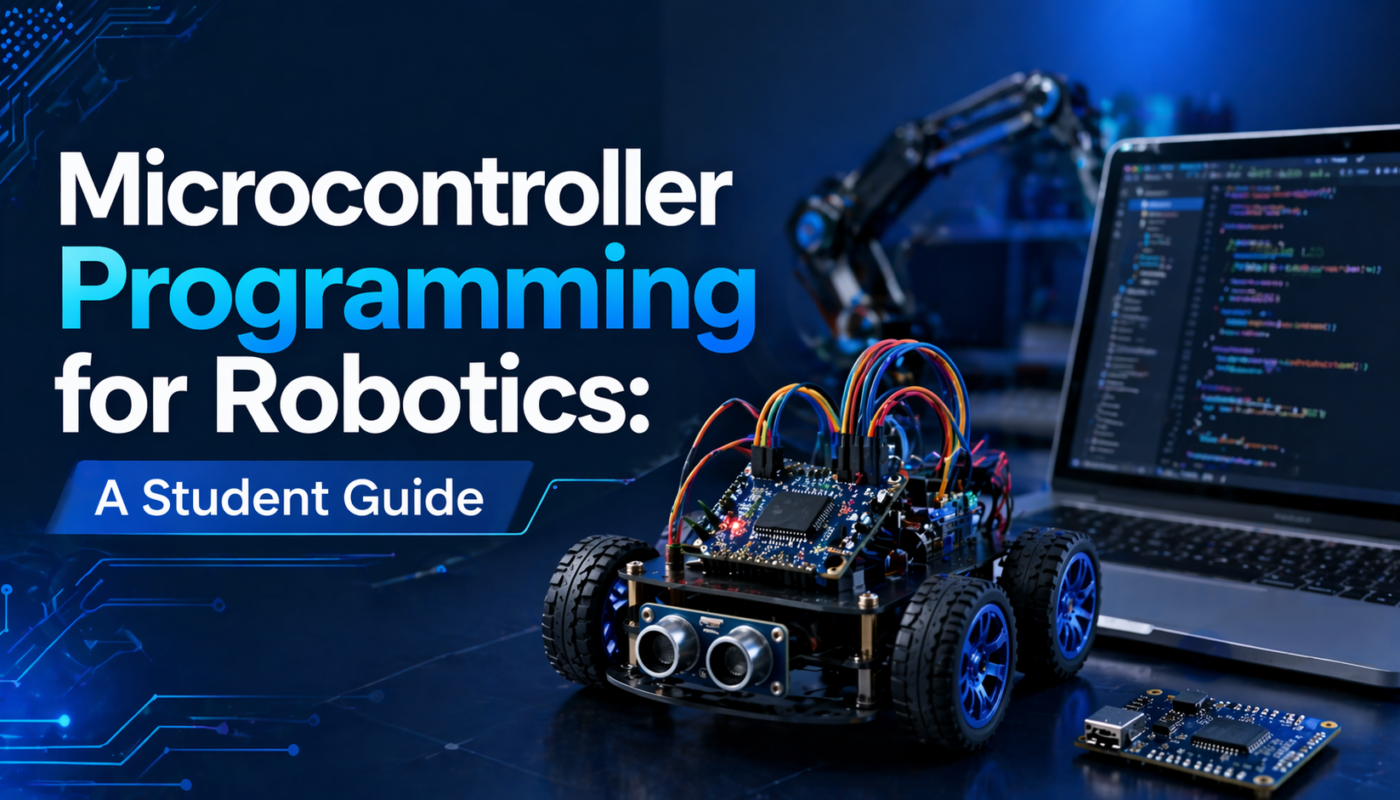
A microcontroller is a small chip that acts like the brain of a robot. It receives input from sensors, processes the data, and sends output signals to motors or other components.
In Robotics classes in Yamuna Vihar as well as Robotics classes in Uttam Nagar, students learn how this process works practically, which helps them understand real-world robotics systems.
Step-by-Step Guide to Learning Microcontroller Programming
Step 1: Learn Basic Programming
Before working on robotics, students should understand basic coding concepts like loops, conditions, and variables. These are the building blocks of programming.
Students enrolling in the Best robotics course Yamuna Vihar or the Best robotics course Uttam Nagar usually start with these fundamentals.
Step 2: Understand Hardware Components
Robotics is a combination of software and hardware. Students need to learn about sensors, motors, and microcontroller boards like Arduino.
In a Robotics and AI course Yamuna Vihar and Robotics training institute Uttam Nagar a students get hands-on experience with these components.
Step 3: Start with Simple Projects
Begin with small projects like blinking an LED or controlling a motor. These tasks help you understand how coding works in real situations.
Step 4: Work with Sensors
Sensors allow robots to interact with their surroundings. Learning how to connect and use sensors is an important step.
Students attending Advanced robotics classes Yamuna Vihar and similar practical sessions gain experience by building projects like obstacle-avoiding robots.
Step 5: Upload and Test Code
Once your code is ready, it needs to be uploaded to the microcontroller. Testing helps you understand how your robot behaves.
Students searching for a Robotics classes in uttam nagar or exploring options in Uttam Nagar often look for training where real-time testing is included.
Step 6: Debug and Improve
Mistakes are part of the learning process. Debugging helps students improve their logic and problem-solving skills.
Completing a Robotics course in Uttam Nagar often includes project-based learning where students practice debugging.
Why Microcontroller Programming is Important
Microcontroller programming is the core of robotics. It helps students:
- Build real robotics projects
- Understand how machines respond to input
- Improve logical and analytical thinking
- Prepare for future careers in automation and AI
Final Thoughts
Learning microcontroller programming may seem difficult at first, but with a step-by-step approach, it becomes easier. The key is to start with basics, practice regularly, and work on real projects.
With the right skills and dedication, you can turn your ideas into real working robots and build a strong future in robotics.visit us