

•  30000/- INR 60000

DevOps & Cloud Automation Professional Training Program

  • Master Modern DevOps & Cloud Technologies including Linux, Git, Docker, Kubernetes, Jenkins, Terraform, Ansible, AWS, Microsoft Azure, and Google Cloud Platform (GCP) through hands-on practical training.
  • Build & Automate CI/CD Pipelines using GitHub Actions, Jenkins, Infrastructure as Code (IaC), Docker, Kubernetes, and Terraform to deploy scalable, production-ready applications.

BESTSELLER

    4.9       12 students enrolled this month

Offer by ATTITUDE ACADEMY    Last updated:- Jul 23, 2026

What you'll learn

  • Linux (Ubuntu)
  • Git & GitHub
  • Docker
  • Kubernetes
  • Helm
  • Jenkins
  • GitHub Actions
  • Terraform
  • Ansible
  • Amazon Web Services (AWS)
  • Microsoft Azure
  • Google Cloud Platform (GCP)
  • Nginx
  • Prometheus
  • Grafana
  • ELK Stack
  • Bash Scripting
  • Python (Automation Basics)
  • DevSecOps Tools
  • CI/CD Platforms

Requirements

  • Basic computer and internet knowledge 
  • Familiarity with Windows, Linux, or macOS operating systems
  •  Basic understanding of computer hardware and software
  •  Good logical and analytical thinking skills
  • Basic English reading and communication skills
  •  Laptop/Desktop with a minimum of 8 GB RAM (16 GB recommended)
  •  Stable internet connection for accessing cloud platforms and virtual labs Google, Microsoft, and AWS accounts
Limited Period Offer
INR 30000/- INR 60000/- 50% Off
Book Now

7 Days Money back Guarantee*

Includes

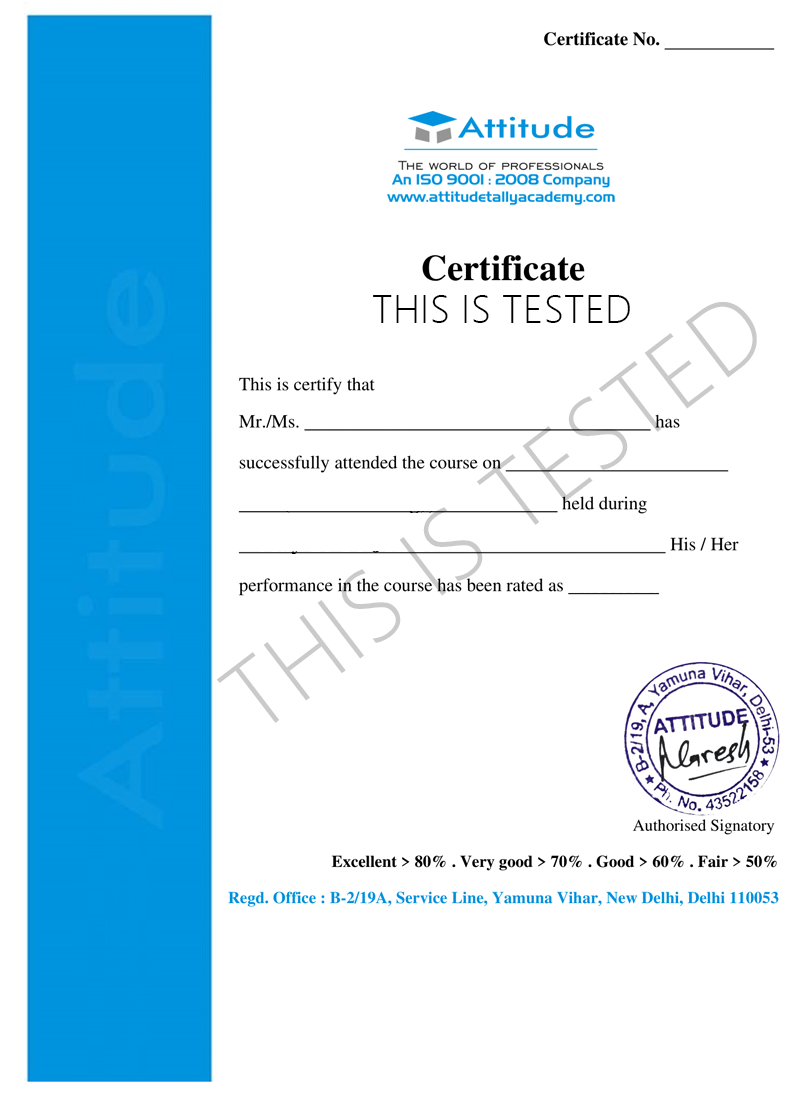
How will you get your certificate?

Take the final exam online to complete the DevOps & Cloud Automation Professional Training Program – Course Key Highlights after which you will be able to download your certificate from Attitude Trainings


attitude-certificate

Latest Jobs

    No Jobs Founds

What placement assistance will you receive?

Free Placement Preparation Training

Access to curated Internships & Current Job Openings.

Top performers will be highlighted on Attitude Job portal

What you'll learn

  • Linux (Ubuntu)
  • Git & GitHub
  • Docker
  • Kubernetes
  • Helm
  • Jenkins
  • GitHub Actions
  • Terraform
  • Ansible
  • Amazon Web Services (AWS)
  • Microsoft Azure
  • Google Cloud Platform (GCP)
  • Nginx
  • Prometheus
  • Grafana
  • ELK Stack
  • Bash Scripting
  • Python (Automation Basics)
  • DevSecOps Tools
  • CI/CD Platforms

Requirements

  • Basic computer and internet knowledge 
  • Familiarity with Windows, Linux, or macOS operating systems
  •  Basic understanding of computer hardware and software
  •  Good logical and analytical thinking skills
  • Basic English reading and communication skills
  •  Laptop/Desktop with a minimum of 8 GB RAM (16 GB recommended)
  •  Stable internet connection for accessing cloud platforms and virtual labs Google, Microsoft, and AWS accounts

How will your training work?

Thought

Classes

Take all of your face to face classes with trainer & get Live Sessions with Trainer for Doubts Clearing

Planning

Exams

Test your knowledge through quizzes & module tests & offline assessment

Implement

Projects

Get hands on practice by doing assignments and project

Result

Certificate

Take the final exam to get certified in DevOps & Cloud Automation Professional Training Program – Course Key Highlights

What will be the training syllabus?


The DevOps & Cloud Automation Professional Training Program is a comprehensive, industry-focused course designed to prepare students and IT professionals for successful careers in modern software development and cloud infrastructure. The program provides hands-on training in Linux, Git, Docker, Kubernetes, Jenkins, GitHub Actions, Terraform, Ansible, AWS, Microsoft Azure, Google Cloud Platform (GCP), CI/CD Pipelines, Infrastructure as Code (IaC), Cloud Security, Monitoring, and DevSecOps through live projects and real-world deployment scenarios.

Future of DevOps & Cloud Automation

As organizations rapidly adopt cloud computing, containerization, and automation, the demand for skilled DevOps professionals continues to grow worldwide. Companies are modernizing their software delivery processes by implementing Continuous Integration, Continuous Deployment (CI/CD), Infrastructure as Code, and cloud-native technologies. DevOps has become one of the fastest-growing career domains in Information Technology, offering excellent long-term career growth and global opportunities.

Job Opportunities & Salary Packages

After completing this course, learners can pursue careers as DevOps Engineer, Cloud Engineer, Site Reliability Engineer (SRE), Platform Engineer, Cloud Automation Engineer, Kubernetes Administrator, DevSecOps Engineer, Infrastructure Engineer, Build & Release Engineer, and Cloud Solutions Architect. In India, entry-level professionals typically earn ₹5–8 LPA, while experienced DevOps engineers can earn ₹10–35 LPA or more, depending on their expertise, certifications, and organization.

Application Areas

DevOps and Cloud Automation are widely used in software development, cloud computing, banking, fintech, healthcare, e-commerce, telecommunications, government, education, startups, enterprise IT, media, gaming, and SaaS platforms. Organizations use DevOps to automate application deployment, improve collaboration, accelerate software delivery, enhance security, and maintain highly available cloud infrastructure.

Major Subcategories

The course covers Linux Administration, Git & GitHub, CI/CD Pipelines, Docker, Kubernetes, Jenkins, GitHub Actions, Terraform, Ansible, AWS, Microsoft Azure, Google Cloud Platform (GCP), Infrastructure as Code (IaC), Cloud Security, Monitoring & Logging, Prometheus, Grafana, ELK Stack, DevSecOps, Serverless Computing, and Cloud Automation. Through hands-on labs and industry projects, learners gain practical experience in building, deploying, automating, monitoring, and managing modern cloud-native applications and enterprise infrastructure.

  • SDLC (Software Development Life Cycle)
  • Agile & Scrum Methodology
  • Waterfall vs Agile
  • DevOps Culture & Principles
  • DevOps Lifecycle
  • Continuous Integration (CI)
  • Continuous Delivery (CD)
  • Continuous Deployment
  • Infrastructure Automation
  • Introduction to Cloud Computing

Practical Labs

  • Linux Environment Setup
  • VirtualBox & VMware
  • Ubuntu Installation
  • WSL Installation (Windows)

  • Linux File System
  • File Permissions
  • Users & Groups
  • Package Management
  • Process Management
  • Services
  • Cron Jobs
  • SSH
  • Networking Commands
  • Bash Basics

Practical Labs

  • Linux Server Administration
  • User Management
  • Package Installation
  • Server Configuration

  • OSI Model
  • TCP/IP
  • IP Addressing
  • CIDR
  • DNS
  • DHCP
  • HTTP & HTTPS
  • FTP
  • SSH
  • Firewalls
  • VPN
  • Load Balancers

Practical Labs

  • Network Configuration
  • Wireshark Analysis
  • Linux Networking

  • Version Control
  • Git Installation
  • Repository Management
  • Branching
  • Merge
  • Rebase
  • Pull Requests
  • GitHub Workflow
  • Git Tags
  • GitHub Projects

Practical Labs

  • Team Collaboration
  • GitHub Repository Management

  • Kubernetes Architecture
  • Pods
  • ReplicaSets
  • Deployments
  • Services
  • Ingress
  • ConfigMaps
  • Secrets
  • Persistent Volumes
  • StatefulSets
  • Helm Charts

Practical Labs

  • Deploy Applications
  • Kubernetes Cluster Management

  • AWS Global Infrastructure
  • IAM
  • EC2
  • EBS
  • AMI
  • Security Groups
  • VPC
  • Route53
  • Elastic Load Balancer
  • Auto Scaling

Practical Labs

  • Launch EC2
  • VPC Configuration
  • Secure Infrastructure

  • S3
  • CloudFront
  • RDS
  • DynamoDB
  • Lambda
  • API Gateway
  • CloudWatch
  • CloudTrail
  • SNS
  • SQS

Practical Labs

  • Serverless Deployment
  • Monitoring Dashboard

  • Jenkins Installation
  • Jobs
  • Pipeline as Code
  • Declarative Pipeline
  • Webhooks
  • Build Automation
  • Test Automation
  • Deployment Automation

Practical Labs

  • Complete CI/CD Pipeline

  • Azure Portal
  • Resource Groups
  • Virtual Machines
  • Azure Storage
  • Virtual Networks
  • Azure App Services
  • Azure Kubernetes Service (AKS)
  • Azure Monitor

Practical Labs

  • Deploy Web Applications
  • Azure Infrastructure

  • GCP Console
  • Compute Engine
  • Cloud Storage
  • Cloud SQL
  • Cloud Run
  • Kubernetes Engine (GKE)
  • IAM
  • Monitoring

Practical Labs

  • Deploy Production Applications

  • Terraform Installation
  • Providers
  • Resources
  • Variables
  • Modules
  • State Management
  • Remote Backend
  • Workspaces
  • Terraform Cloud

Practical Labs

  • AWS Infrastructure Automation
  • Azure Infrastructure Automation
  • GCP Infrastructure Automation

  • Inventory
  • Playbooks
  • Roles
  • Variables
  • Templates
  • Handlers
  • Vault
  • Dynamic Inventory

Practical Labs

  • Server Provisioning
  • Application Deployment

Monitoring

  • Prometheus
  • Grafana
  • CloudWatch
  • Azure Monitor
  • Google Cloud Monitoring

Logging

  • Elasticsearch
  • Logstash
  • Kibana (ELK)
  • Fluentd

Practical Labs

  • Monitoring Dashboards
  • Centralized Logging

  • DevSecOps Fundamentals
  • Container Security
  • Secrets Management
  • Vulnerability Scanning
  • Image Scanning
  • SAST
  • DAST
  • Security Best Practices
  • Compliance Basics

Practical Labs

  • Secure CI/CD Pipeline
  • Container Security Testing

  • Nginx
  • Reverse Proxy
  • SSL/TLS
  • Load Balancer
  • High Availability
  • Backup & Recovery
  • Auto Scaling
  • Disaster Recovery
  • Performance Optimization

Practical Labs

  • Production Deployment

  • GitHub Actions
  • Workflow Files
  • Self-hosted Runners
  • Secrets
  • Docker Build Automation
  • Kubernetes Deployment
  • Automated Releases

Practical Labs

  • Production CI/CD Pipeline

Students will develop 12+ enterprise-grade DevOps projects, including:

  • Three-Tier AWS Web Application Deployment
  • Dockerized Full Stack Application
  • Kubernetes Production Cluster
  • Jenkins CI/CD Pipeline
  • GitHub Actions Deployment Pipeline
  • Terraform Multi-Cloud Infrastructure
  • Azure Cloud Deployment
  • Google Cloud Deployment
  • Monitoring Dashboard with Prometheus & Grafana
  • ELK Centralized Logging Platform
  • DevSecOps Secure Deployment Pipeline
  • High Availability & Auto Scaling Architecture

  • AWS Lambda
  • Azure Functions
  • Google Cloud Functions
  • Event-Driven Architecture
  • Infrastructure Scheduling
  • Cost Optimization
  • Serverless Deployment

Practical Labs

  • Serverless Web Application
  • Event-Based Automation

Resume & Portfolio

  • DevOps Resume Building
  • LinkedIn Profile Optimization
  • GitHub Portfolio
  • Technical Documentation

Interview Preparation

  • Linux Interview Questions
  • Docker Interview Questions
  • Kubernetes Interview Questions
  • AWS Interview Questions
  • Terraform & Jenkins Interview Questions
  • Mock Technical Interviews

Certification Preparation

  • AWS Certified Cloud Practitioner
  • AWS Certified Solutions Architect – Associate
  • AWS Certified DevOps Engineer – Professional
  • Microsoft Azure Administrator (AZ-104)
  • Google Associate Cloud Engineer
  • Certified Kubernetes Administrator (CKA)
  • HashiCorp Terraform Associate
  • Docker Certified Associate (DCA)

Description


The DevOps & Cloud Automation Professional Training Program is a comprehensive, industry-focused course designed to prepare students and IT professionals for successful careers in modern software development and cloud infrastructure. The program provides hands-on training in Linux, Git, Docker, Kubernetes, Jenkins, GitHub Actions, Terraform, Ansible, AWS, Microsoft Azure, Google Cloud Platform (GCP), CI/CD Pipelines, Infrastructure as Code (IaC), Cloud Security, Monitoring, and DevSecOps through live projects and real-world deployment scenarios.

Future of DevOps & Cloud Automation

As organizations rapidly adopt cloud computing, containerization, and automation, the demand for skilled DevOps professionals continues to grow worldwide. Companies are modernizing their software delivery processes by implementing Continuous Integration, Continuous Deployment (CI/CD), Infrastructure as Code, and cloud-native technologies. DevOps has become one of the fastest-growing career domains in Information Technology, offering excellent long-term career growth and global opportunities.

Job Opportunities & Salary Packages

After completing this course, learners can pursue careers as DevOps Engineer, Cloud Engineer, Site Reliability Engineer (SRE), Platform Engineer, Cloud Automation Engineer, Kubernetes Administrator, DevSecOps Engineer, Infrastructure Engineer, Build & Release Engineer, and Cloud Solutions Architect. In India, entry-level professionals typically earn ₹5–8 LPA, while experienced DevOps engineers can earn ₹10–35 LPA or more, depending on their expertise, certifications, and organization.

Application Areas

DevOps and Cloud Automation are widely used in software development, cloud computing, banking, fintech, healthcare, e-commerce, telecommunications, government, education, startups, enterprise IT, media, gaming, and SaaS platforms. Organizations use DevOps to automate application deployment, improve collaboration, accelerate software delivery, enhance security, and maintain highly available cloud infrastructure.

Major Subcategories

The course covers Linux Administration, Git & GitHub, CI/CD Pipelines, Docker, Kubernetes, Jenkins, GitHub Actions, Terraform, Ansible, AWS, Microsoft Azure, Google Cloud Platform (GCP), Infrastructure as Code (IaC), Cloud Security, Monitoring & Logging, Prometheus, Grafana, ELK Stack, DevSecOps, Serverless Computing, and Cloud Automation. Through hands-on labs and industry projects, learners gain practical experience in building, deploying, automating, monitoring, and managing modern cloud-native applications and enterprise infrastructure.

  • SDLC (Software Development Life Cycle)
  • Agile & Scrum Methodology
  • Waterfall vs Agile
  • DevOps Culture & Principles
  • DevOps Lifecycle
  • Continuous Integration (CI)
  • Continuous Delivery (CD)
  • Continuous Deployment
  • Infrastructure Automation
  • Introduction to Cloud Computing

Practical Labs

  • Linux Environment Setup
  • VirtualBox & VMware
  • Ubuntu Installation
  • WSL Installation (Windows)

  • Linux File System
  • File Permissions
  • Users & Groups
  • Package Management
  • Process Management
  • Services
  • Cron Jobs
  • SSH
  • Networking Commands
  • Bash Basics

Practical Labs

  • Linux Server Administration
  • User Management
  • Package Installation
  • Server Configuration

  • OSI Model
  • TCP/IP
  • IP Addressing
  • CIDR
  • DNS
  • DHCP
  • HTTP & HTTPS
  • FTP
  • SSH
  • Firewalls
  • VPN
  • Load Balancers

Practical Labs

  • Network Configuration
  • Wireshark Analysis
  • Linux Networking

  • Version Control
  • Git Installation
  • Repository Management
  • Branching
  • Merge
  • Rebase
  • Pull Requests
  • GitHub Workflow
  • Git Tags
  • GitHub Projects

Practical Labs

  • Team Collaboration
  • GitHub Repository Management

  • Kubernetes Architecture
  • Pods
  • ReplicaSets
  • Deployments
  • Services
  • Ingress
  • ConfigMaps
  • Secrets
  • Persistent Volumes
  • StatefulSets
  • Helm Charts

Practical Labs

  • Deploy Applications
  • Kubernetes Cluster Management

  • AWS Global Infrastructure
  • IAM
  • EC2
  • EBS
  • AMI
  • Security Groups
  • VPC
  • Route53
  • Elastic Load Balancer
  • Auto Scaling

Practical Labs

  • Launch EC2
  • VPC Configuration
  • Secure Infrastructure

  • S3
  • CloudFront
  • RDS
  • DynamoDB
  • Lambda
  • API Gateway
  • CloudWatch
  • CloudTrail
  • SNS
  • SQS

Practical Labs

  • Serverless Deployment
  • Monitoring Dashboard

  • Jenkins Installation
  • Jobs
  • Pipeline as Code
  • Declarative Pipeline
  • Webhooks
  • Build Automation
  • Test Automation
  • Deployment Automation

Practical Labs

  • Complete CI/CD Pipeline

  • Azure Portal
  • Resource Groups
  • Virtual Machines
  • Azure Storage
  • Virtual Networks
  • Azure App Services
  • Azure Kubernetes Service (AKS)
  • Azure Monitor

Practical Labs

  • Deploy Web Applications
  • Azure Infrastructure

  • GCP Console
  • Compute Engine
  • Cloud Storage
  • Cloud SQL
  • Cloud Run
  • Kubernetes Engine (GKE)
  • IAM
  • Monitoring

Practical Labs

  • Deploy Production Applications

  • Terraform Installation
  • Providers
  • Resources
  • Variables
  • Modules
  • State Management
  • Remote Backend
  • Workspaces
  • Terraform Cloud

Practical Labs

  • AWS Infrastructure Automation
  • Azure Infrastructure Automation
  • GCP Infrastructure Automation

  • Inventory
  • Playbooks
  • Roles
  • Variables
  • Templates
  • Handlers
  • Vault
  • Dynamic Inventory

Practical Labs

  • Server Provisioning
  • Application Deployment

Monitoring

  • Prometheus
  • Grafana
  • CloudWatch
  • Azure Monitor
  • Google Cloud Monitoring

Logging

  • Elasticsearch
  • Logstash
  • Kibana (ELK)
  • Fluentd

Practical Labs

  • Monitoring Dashboards
  • Centralized Logging

  • DevSecOps Fundamentals
  • Container Security
  • Secrets Management
  • Vulnerability Scanning
  • Image Scanning
  • SAST
  • DAST
  • Security Best Practices
  • Compliance Basics

Practical Labs

  • Secure CI/CD Pipeline
  • Container Security Testing

  • Nginx
  • Reverse Proxy
  • SSL/TLS
  • Load Balancer
  • High Availability
  • Backup & Recovery
  • Auto Scaling
  • Disaster Recovery
  • Performance Optimization

Practical Labs

  • Production Deployment

  • GitHub Actions
  • Workflow Files
  • Self-hosted Runners
  • Secrets
  • Docker Build Automation
  • Kubernetes Deployment
  • Automated Releases

Practical Labs

  • Production CI/CD Pipeline

Students will develop 12+ enterprise-grade DevOps projects, including:

  • Three-Tier AWS Web Application Deployment
  • Dockerized Full Stack Application
  • Kubernetes Production Cluster
  • Jenkins CI/CD Pipeline
  • GitHub Actions Deployment Pipeline
  • Terraform Multi-Cloud Infrastructure
  • Azure Cloud Deployment
  • Google Cloud Deployment
  • Monitoring Dashboard with Prometheus & Grafana
  • ELK Centralized Logging Platform
  • DevSecOps Secure Deployment Pipeline
  • High Availability & Auto Scaling Architecture

  • AWS Lambda
  • Azure Functions
  • Google Cloud Functions
  • Event-Driven Architecture
  • Infrastructure Scheduling
  • Cost Optimization
  • Serverless Deployment

Practical Labs

  • Serverless Web Application
  • Event-Based Automation

Resume & Portfolio

  • DevOps Resume Building
  • LinkedIn Profile Optimization
  • GitHub Portfolio
  • Technical Documentation

Interview Preparation

  • Linux Interview Questions
  • Docker Interview Questions
  • Kubernetes Interview Questions
  • AWS Interview Questions
  • Terraform & Jenkins Interview Questions
  • Mock Technical Interviews

Certification Preparation

  • AWS Certified Cloud Practitioner
  • AWS Certified Solutions Architect – Associate
  • AWS Certified DevOps Engineer – Professional
  • Microsoft Azure Administrator (AZ-104)
  • Google Associate Cloud Engineer
  • Certified Kubernetes Administrator (CKA)
  • HashiCorp Terraform Associate
  • Docker Certified Associate (DCA)

How will you get your certificate?

Take the final exam online to complete the DevOps & Cloud Automation Professional Training Program – Course Key Highlights after which you will be able to download your certificate from Attitude Trainings

attitude-certificate

Latest Jobs

    No Jobs Founds

How will your training work?

Thought

Classes

Take all of your face to face classes with trainer & get Live Sessions with Trainer for Doubts Clearing

Planning

Exams

Test your knowledge through quizzes & module tests & offline assessment

Implement

Projects

Get hands on practice by doing assignments and project

Result

Certificate

Take the final exam to get certified in DevOps & Cloud Automation Professional Training Program – Course Key Highlights

What placement assistance will you receive?

Free Placement Preparation Training

Access to curated Internships & Current Job Openings.

Top performers will be highlighted on Attitude Job portal

DevOps & Cloud Automation Professional Training Program

Build a successful career in modern software delivery and cloud infrastructure with our DevOps & Cloud Automation Professional Training Program. This comprehensive, job-oriented course provides practical training in Linux Administration, Git & GitHub, Docker, Kubernetes, Jenkins, GitHub Actions, Terraform, Ansible, AWS, Microsoft Azure, Google Cloud Platform (GCP), CI/CD Pipelines, Infrastructure as Code (IaC), Cloud Security, Monitoring, Logging, and DevSecOps.

Learn to automate application deployment, manage scalable cloud infrastructure, build production-ready CI/CD pipelines, orchestrate containers with Kubernetes, provision infrastructure using Terraform, and configure servers with Ansible. Gain hands-on experience through live cloud labs, real-world projects, production deployments, and enterprise DevOps workflows using industry-standard tools and best practices.

This professional training program prepares learners for high-demand roles such as DevOps Engineer, Cloud Engineer, Site Reliability Engineer (SRE), Platform Engineer, Cloud Automation Engineer, Kubernetes Administrator, DevSecOps Engineer, Infrastructure Engineer, Build & Release Engineer, and Cloud Solutions Architect. With expert-led training, certification guidance, resume building, interview preparation, portfolio development, and placement assistance, you'll gain the practical skills needed to design, automate, deploy, monitor, and secure cloud-native applications in modern enterprise environments.

 

How will your doubts get solved?

You can post your doubts on the Q&A forum which will be answered by the teachers within 24 hours.


Placed Learners


Related Courses

Why Choose Us

BEST FACULTY

100+ BATCHES

100% PRACTICAL

24*7 ONLINE ACCESS

8,676 + PLACED

10+ YEARS

Still have questions? Call @+91-9654382235 for answers

  CALL NOW

Email
WhatsApp
💬