 by
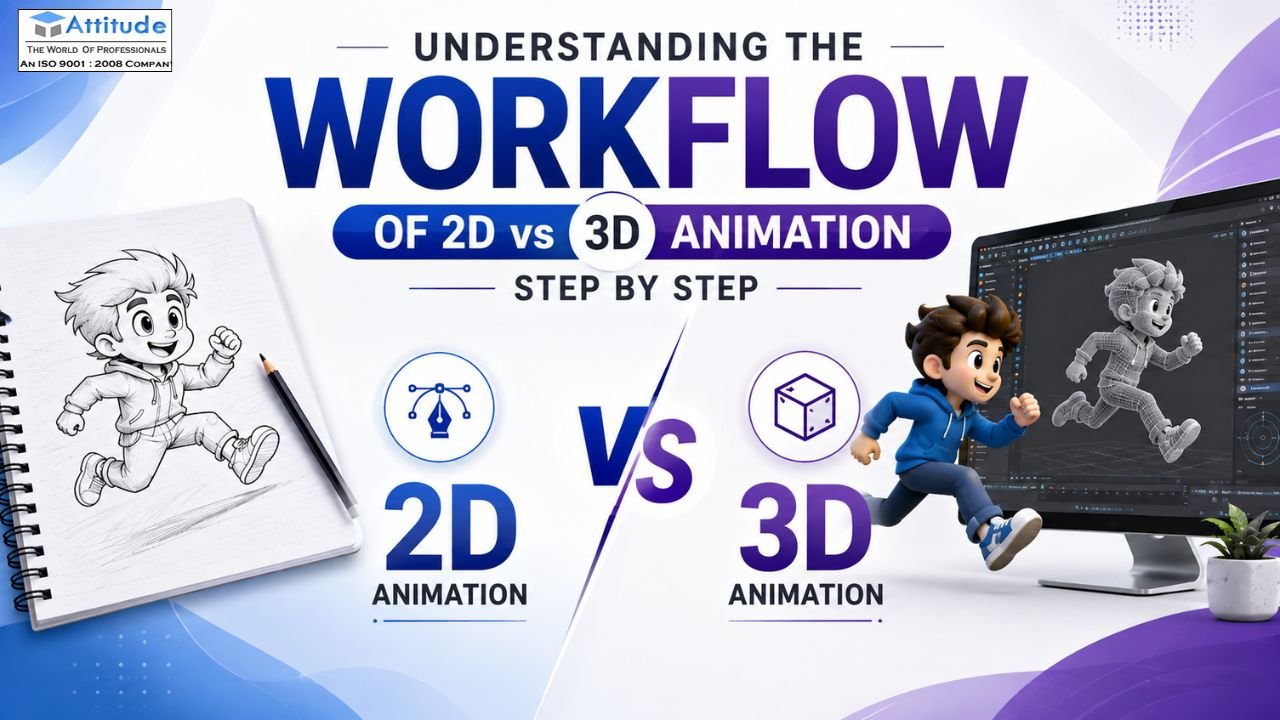
by Animation is one of the most exciting creative fields today. From cartoons to movies and games, animation plays a huge role in visual storytelling. For students who want to enter this field, it is important to understand how 2D and 3D animation actually work. If you are planning to join a 2D & 3D animation knowing the workflow will give you a clear direction.
What is 2D Animation?
2D animation is a traditional form of animation where characters and scenes are created in a two-dimensional space (height and width).
Common examples:
- Cartoon shows
- Explainer videos
- Motion graphics
Students starting with Animation for beginners Yamuna Vihar often begin with 2D animation because it is easier to understand and practice.
What is 3D Animation?
3D animation is more advanced and involves creating characters and environments in a three-dimensional space (height, width, and depth).
Where it is used:
- Movies and VFX
- Gaming industry
- Advertisements
Students enrolling in 3D animation training Yamuna Vihar or Animation and VFX classes Uttam Nagar learn how to create realistic animations using modern tools.
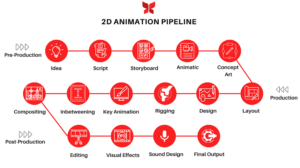
Step-by-Step Workflow of 2D Animation
Understanding the process helps students learn faster.
1. Concept and Storyboarding
The first step is creating an idea and drawing rough sketches of scenes. This helps in planning the animation.
2. Character Design
Characters are designed based on the story. Their appearance, style, and expressions are finalized.
3. Frame-by-Frame Drawing
In 2D animation, each frame is drawn manually or digitally to create movement.
4. Coloring and Background
Colors and backgrounds are added to make the animation visually appealing.
5. Final Output
All frames are combined to create a complete animated video.
Students learning in Animation and VFX classes Yamuna Vihar practice these steps to build strong fundamentals.
Step-by-Step Workflow of 3D Animation
3D animation follows a slightly different and more technical process.
1. Modeling
Creating 3D objects and characters using software.
2. Texturing
Adding colors, materials, and surface details to models.
3. Rigging
Giving a skeleton structure to characters so they can move.
4. Animation
Moving the characters and objects to bring them to life.
5. Lighting and Rendering
Adding lights and converting the scene into final images or videos.
Students enrolled in a VFX course in Yamuna Vihar or VFX course in Uttam Nagar learn these advanced steps with practical training.

Difference Between 2D and 3D Animation
Understanding the difference helps students choose the right path.
Key differences:
- 2D is simpler and faster to learn, while 3D is more realistic and complex
- 2D uses flat designs, whereas 3D creates depth and realism
- 3D animation is widely used in films and gaming
Institutes offering Advanced VFX classes Yamuna Vihar and Advanced VFX classes Uttam Nagar usually teach both techniques step by step.
Why Students Should Learn Animation
Animation is not just a creative hobby—it is a strong career option.
Benefits:
- High demand in media and entertainment
- Opportunities in film, gaming, and advertising
- Freelancing and remote work options
- Creative and technical skill development
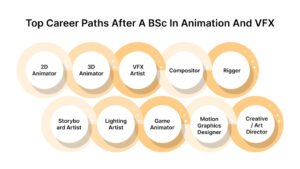
Career Opportunities in Animation and VFX
After completing training, students can explore different roles:
Popular careers:
- 2D Animator
- 3D Animator
- VFX Artist
- Motion Graphics Designer
- Game Designer
Students from a Best VFX institute Yamuna Vihar or Best animation institute Uttam Nagar often build strong portfolios to enter these roles.
Final Thoughts
Both 2D and 3D animation have their own importance. If you are a beginner, starting with 2D animation can help you understand basics easily. As your skills grow, you can move toward 3D animation and VFX for advanced opportunities.
Whether you choose a 2D & 3D animation course Uttam Nagar or join Animation and VFX classes Yamuna Vihar, focus on learning step by step. Practice regularly, work on projects, and keep improving your creativity.
Animation is a field where your imagination becomes your biggest strength.visit us