 by
by Introduction :
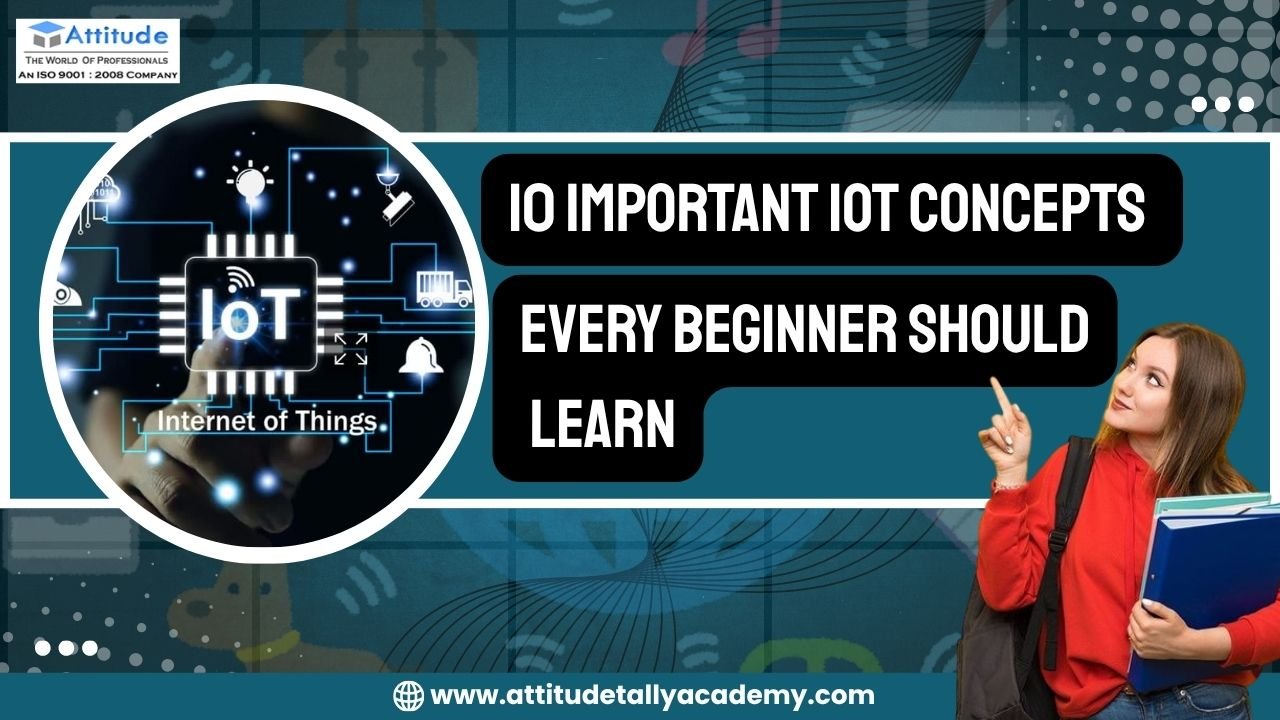
The Internet of Things (IoT) is one of the most exciting technologies shaping the modern digital world. From smart homes and wearable devices to smart cities and industrial automation, IoT is changing how devices interact with each other through the internet. For students who are interested in robotics, automation, and smart technology, learning IoT can open the door to many future career opportunities.
However, before building complex IoT projects, beginners need to understand some core concepts that form the foundation of this technology. Many students start their learning journey by joining an IoT course in Yamuna Vihar, where they can learn both the theoretical and practical aspects of IoT systems.
Below are ten important IoT concepts that every beginner should learn to build a strong base in this field.
1. What is the Internet of Things (IoT)?
The first step is understanding the meaning of IoT. The Internet of Things refers to a network of physical devices connected to the internet that collect and exchange data. These devices can include sensors, home appliances, security systems, vehicles, and even industrial machines. Learning this concept helps students understand how smart technology works in everyday life.
2. Sensors and Data Collection
Sensors are a key component of IoT systems. They collect information from the environment, such as temperature, motion, humidity, light, or pressure. This data is then processed by a device to perform specific actions. In many IoT and robotics training Yamuna Vihar programs, students learn how different sensors are used in real-world IoT projects.
3. Microcontrollers and Hardware
IoT devices usually run on microcontrollers, which act as the brain of the system. Popular platforms like Arduino, Raspberry Pi, and NodeMCU help control sensors and manage communication between devices. Students learning at an IoT training institute Yamuna Vihar often work with these hardware tools to build practical IoT applications.
4. Connectivity and Communication
For IoT devices to work properly, they need a reliable way to communicate with other devices or servers. Technologies such as Wi-Fi, Bluetooth, Zigbee, and cellular networks are commonly used for this purpose. Understanding connectivity helps students learn how devices share data across networks.
5. IoT Communication Protocols
Communication protocols define how data is transmitted between IoT devices. Protocols such as MQTT, HTTP, and CoAP help devices communicate efficiently. Beginners who join an IoT course in Uttam Nagar usually learn how these protocols work in real IoT systems.
6. Cloud Computing in IoT
IoT devices generate large amounts of data, and cloud computing helps store and manage this data. Cloud platforms allow users to monitor devices remotely and analyze information in real time. Learning how IoT devices connect to cloud services is an important skill for students entering this field.
7. Data Processing and Analytics
After collecting data from sensors, the information needs to be processed and analyzed. Data analytics helps convert raw data into useful insights. For example, a smart home system may analyze temperature data to automatically adjust the room temperature. This concept helps students understand how intelligent systems make decisions.
8. IoT Security
Security is a major concern in connected systems. Since IoT devices send and receive data through the internet, they must be protected from cyber threats. Students learning at an IoT training institute Uttam Nagar often study basic IoT security practices such as encryption, authentication, and secure data transmission.
9. Integration of IoT with Robotics
IoT technology is often combined with robotics to create smart automated systems. Robots connected with IoT can receive instructions remotely, collect data, and perform tasks automatically. Through IoT and robotics Course, students can explore how connected robots are used in industries such as manufacturing, logistics, and automation.
10. Real-World IoT Applications
One of the most interesting parts of learning IoT is understanding how it is used in real life. IoT applications can be seen in smart homes, healthcare devices, agriculture monitoring systems, traffic management, and industrial automation. Studying these applications helps beginners understand the practical impact of IoT technology.
Conclusion
The Internet of Things is transforming the way devices communicate and interact with the world. For students who want to explore future technologies, learning IoT can be a valuable step toward building a strong technical career.
Understanding core concepts such as sensors, connectivity, cloud computing, and IoT security helps beginners build a solid foundation in this field. Enrolling in an IoT course or gaining hands-on experience through IoT and robotics training Yamuna Vihar can help students develop practical skills and confidence.
As the demand for smart technologies continues to grow, students who understand IoT fundamentals will be better prepared to create innovative solutions and contribute to the future of connected systems. Visit Us.
Suggested Links: