

 by
by Introduction
Cyber security is one of the fastest-growing career fields today. With increasing cyber threats, companies are actively looking for skilled professionals who can protect their systems and data. If you are a student planning your future, starting a cyber security course, this roadmap will help you understand how to begin step by step.
Step 1: Understand the Basics of Cyber Security
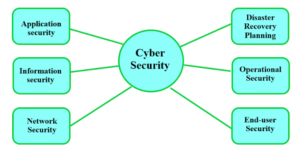
Before jumping into tools and hacking techniques, it is important to understand what cyber security actually means. It is the practice of protecting computers, networks, and data from unauthorized access or attacks.
Students joining a cyber security training course first learn:
- How computer networks work
- Types of cyber attacks
- Basic security principles
This foundation is very important before moving to advanced topics.
Step 2: Learn Networking Fundamentals
Networking is the backbone of cyber security. Without understanding networks, it becomes difficult to secure them.
Beginners often start with:
- IP addresses and DNS
- Routers and firewalls
- Data communication basics
This is covered in a network security training for beginners, which helps students understand how systems communicate and where vulnerabilities exist.

Step 3: Explore Ethical Hacking Basics
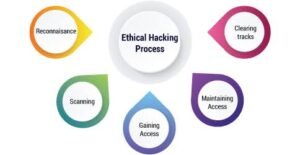
Ethical hacking is one of the most interesting parts of cyber security. It involves finding security weaknesses before hackers can exploit them.
Students interested in hands-on learning often join an ethical hacking course for students or an ethical hacking training course to understand:
- Password cracking basics
- System vulnerabilities
- Security testing methods
This stage builds curiosity and practical skills.
Step 4: Start Practical Cyber Security Training
Theory alone is not enough in cyber security. Practical experience is extremely important.
A cyber security course with practical helps students:
- Work on real-life scenarios
- Use security tools
- Practice safe hacking techniques
Many students prefer a cyber security course for beginners with placement to gain both skills and job opportunities.
Step 5: Learn Advanced Security Concepts
Once basics are clear, students move to advanced topics like:
- Malware analysis
- Firewall configuration
- Threat detection systems
At this stage, students become more confident and job-ready through structured programs like a cyber security certification course.
Step 6: Importance of Ethical Hacking in Career Growth
Ethical hacking is not just a skill; it is a career path. Companies hire ethical hackers to protect their systems from cyber threats.
Students who go through ethical hacking and cyber security training for students gain:
- Real-world problem-solving skills
- Strong technical knowledge
- Better career opportunities
Cyber Security Learning Opportunities in Different Locations
Many students look for local training options to start their journey.
In Delhi, you can find structured programs such as:
These programs are designed to help beginners start from scratch and grow step by step.
Benefits of Learning Cyber Security
Cyber security offers several advantages for students:
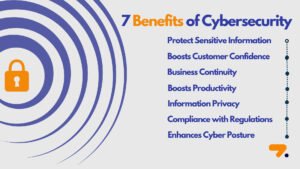
Key benefits:
- High demand in IT industry
- Strong salary growth potential
- Opportunities in government and private sectors
- Freelancing and remote job options
With increasing cyber threats, skilled professionals are always needed.
Final Thoughts
Learning cyber security is not difficult if you follow the right roadmap. Start with basics, build networking knowledge, move toward ethical hacking, and then focus on practical training.
Whether you choose a cyber security training course or a structured cyber security certification course, consistency is the key. Keep practicing, stay updated, and focus on hands-on skills.
Cyber security is not just a career option—it is a future-proof skill that will always be in demand.visit us